Anthropic’s interviews at 58 companies: AI pays where the work is reorganised
· Anthropic · Level 2, Connect
What happened
Anthropic’s economists published Working with AI on 23 November 2026. It draws on 66 interviews at 58 US companies, all Anthropic customers, chosen for range rather than as a representative sample.
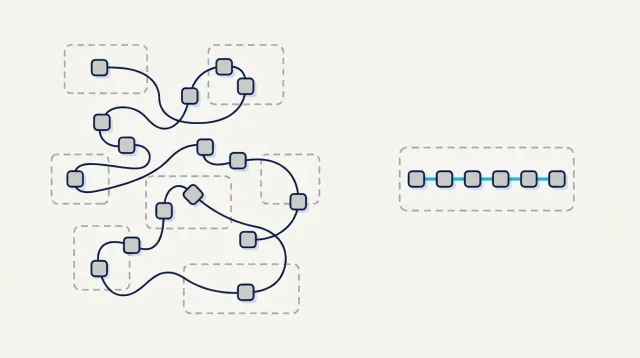
Most uses of AI added value by raising output rather than by cutting cost. The highest-value uses came with reorganising the work around AI. Companies that automated a workflow from the top often built tools that went out of date as models improved. Companies that handed out licences and waited got a few power users and “pockets of really cool stuff”, with little change across the firm.
Why it matters for a UK business
The companies that got the most from AI did three things, and each is engineering work inside the team.
- They gave one person or a small team a whole workflow. One engineering leader put it this way: “Two people plus Claude is the most amazing thing”. Fewer hand-offs mean fewer places for work to wait.
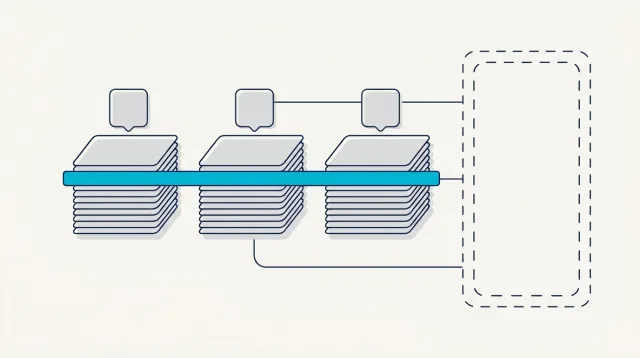
- They moved people to the new bottleneck. As coding speeds up, code review, sales and decisions have to keep pace. One engineer’s rule: “You find a bottleneck. Find out how to tackle that. Have someone own that.”
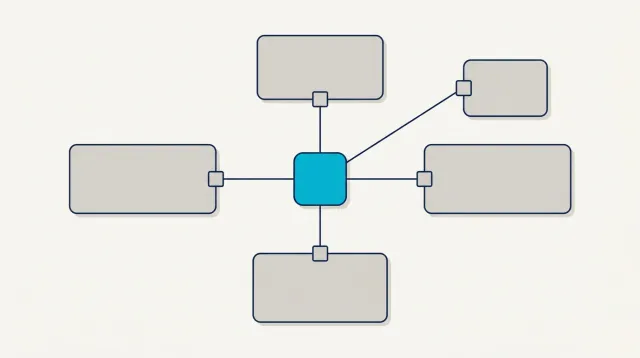
- They opened their data to AI. A trucking company made its data warehouse readable by AI agents, and managers began running their own analyses. Before, a request could sit with the analysts: “it would have ended up on the queue, sometimes a year or two”.
The study also explains why this work stalls when it is done to a team rather than with it. Experts asked to build the system that might replace them held back. One said: “If I’m open to this, I’m essentially building my own coffin.” The authors suggest sharing the gains with the people whose work changes.
What to do
A forward-deployed AI engineer joins your team and builds with AI: they connect AI tools to your systems and data, build the agents and automations your people use, and leave the skills with your team.
The three moves in the study map to three of the five levels of Forward Deployed AI:
- Level 2, Connect. Connect the assistant to your files, mail and systems, so people answer their own questions instead of waiting for a report.
- Level 3, Build. Turn a workflow that one team owns from end to end into an agent that does one job, checked by a person.
- Level 4, Ship. Put review and release where the new bottleneck sits, so faster building does not mean more errors in production.
Each engagement starts at the level your team is at, with one measured goal every six weeks, agreed at the start with a baseline and a target. The people whose work changes help build it, and keep the skills when the goal closes.
Source
This is level 2 work: Connect.
More news
· UK government · Level 2, Connect
UK government survey finds business AI adoption doubled to 32%
AI is now common among comparable companies, so standing still is a choice. The main barrier the survey reports is skills, not the price of the tools.
· Microsoft · Level 2, Connect
Microsoft adds Salesforce and Dynamics 365 plugins to Copilot
A business that runs Microsoft 365 and keeps customer data in Salesforce or Dynamics can bring that data into Copilot without a custom build. Every connection widens what Copilot can read, so permissions and data quality decide whether the answers can be trusted.
· Google · Level 4, Ship
Google makes Gemini data classification in Drive generally available
Data protection rules act on labels, and most companies have thousands of files nobody ever labelled. Knowing which files are sensitive comes before letting any assistant search Drive widely.